
Obstructive Sleep Apnea: A Primer
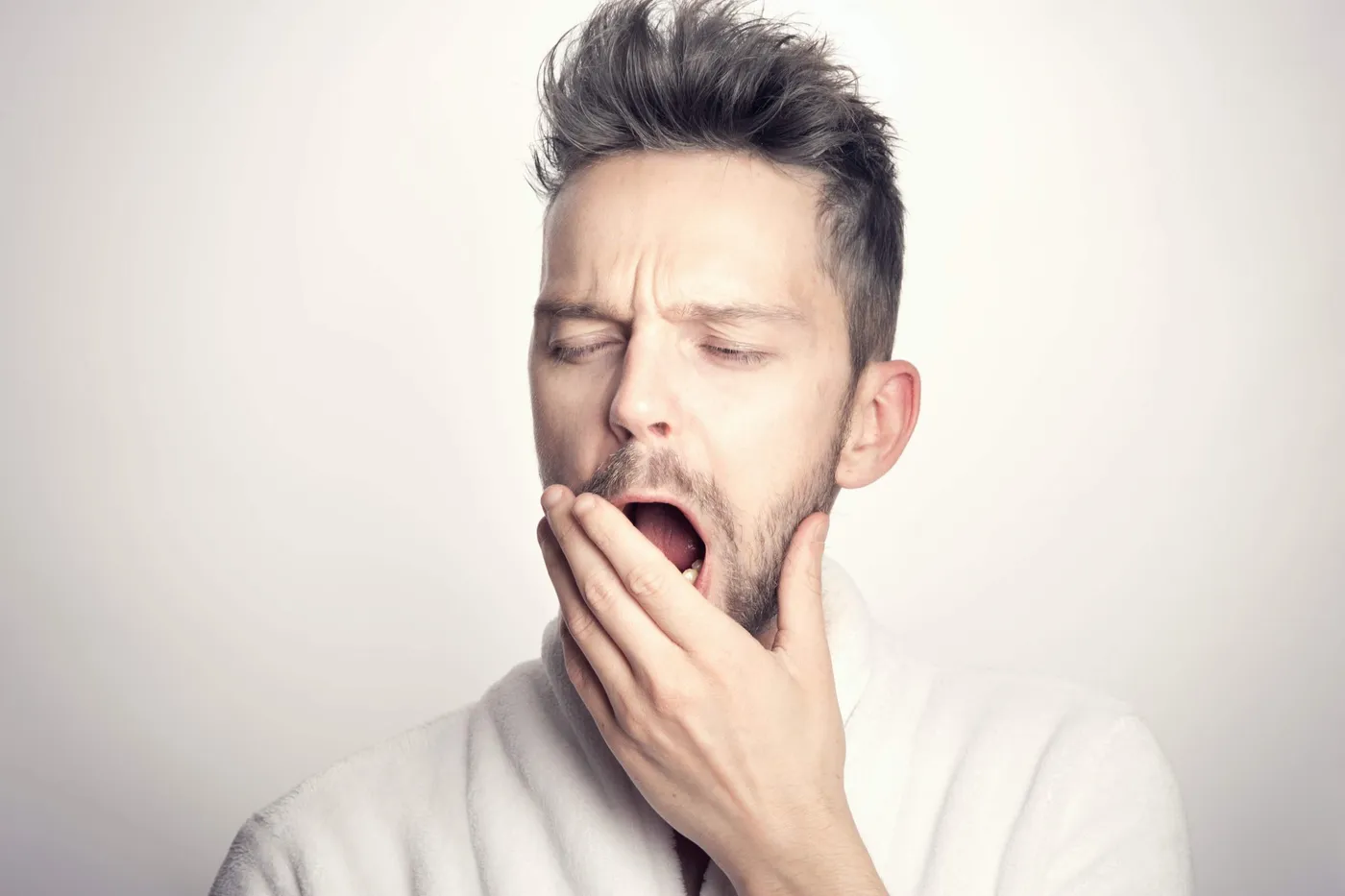
Obstructive Sleep Apnea (OSA) is a disorder characterized by repetitive upper airway (pharyngeal) collapse during sleep. When you have sleep apnea, the flow of air into your lungs is interrupted despite your best efforts to breathe, which is associated with blood oxygen saturation reduction. This happens because the airway becomes narrow or blocked.
During sleep, the muscles of the body relax, including muscles in the throat that keep the upper airway open. Normally, the upper throat remains open enough for air to flow freely, but if a person suffers from apnea, their throat may collapse. In the case of an airway collapse, breathing stops, sometimes for more than 10 seconds at a time. Often enough, people are unaware of breathing pauses during sleep. It has been reported that persons with OSA have reduced respiratory muscle strength compared to persons without it.
How common is sleep apnea?
Frequently, occurrences of OSA go undiagnosed and untreated. Statistics show that: 9% of women and 26% of men in the age group of 30-49 years as well as 27% of women and 43% men of ages between 50 to 70 suffer from OSA. Despite the prevalent belief that sleep apnea only affects people that are obese, 50% of people with OSA are in fact not obese. The best test for obstructive sleep apnea (OSA) is overnight polysomnography in a sleep laboratory with the primary outcome measure of Apnea-Hypopnea Index (AHI). AHI is the number of apnea (stopped breathing) and hypopnea (period of reduced airflow) episodes per one hour of sleep.
Screening with STOP-BANG
Several screening questionnaires are available to determine the need for further inquiry or sleep study, to make appropriate diagnosis. The STOP-BANG assessment is a validated questionnaire, for example. Its name is a mnemonic of 4 questions and 4 physical features and is used by clinicians as part of diagnostic criteria.
The name spells out the eight items it screens for — four questions (STOP) and four physical features (BANG):
STOP
- S — Snoring
- T — Tiredness during the daytime
- O — Observed stopped breathing during sleep
- P — high blood Pressure
BANG
- B — BMI (body mass index)
- A — Age
- N — Neck circumference
- G — Gender
Treatment options
Once your diagnoses are confirmed, your doctor will focus your treatment on keeping your airway open for uninterrupted airflow while you sleep. The solution may be a CPAP machine that pumps air into your mouth while you sleep, although some people need to wear dental devices that keep their jaws forward. Losing weight, avoiding alcohol and sleeping pills, positional therapy as well as other lifestyle changes may help. If other interventions fail, surgery might be an option to treat sleep apnea.
There are 3 categories of sleep apnea devices. A CPAP machine provides air pressure that remains constant throughout its use. Alternatively, a BiPap machine has the air pressure increase on inhales and decrease on exhales, and the level of pressure for each of the two actions remains constant. Finally, an APAP machine recognizes the breathing patterns of the user and adjusts air pressure during the inhalation/exhalation cycle with variable pressures.
Where myofunctional therapy fits
Current research suggests that orofacial myofunctional therapy, used as a complement to medical care, may increase tone in the oral and oropharyngeal muscles and even reduce the amount of fat deposits on the tongue. Studies have found that orofacial myofunctional therapy, used alongside physician-directed treatment, is associated with a reduction in AHI of around 50% in adults and 62% in children. One study also showed a successful reduction of snoring and improved compliance and adherence with CPAP. Patients who get treatment for sleep apnea become less anxious and depressed, perform better at work or school, notice no daytime sleepiness and overall a lot more energy. A new option for patients is to have a sleep study done in the comfort of their own home. There are many different monitoring devices available on the market, and most of them are covered by insurance. If the test is done properly, it may help your doctor to diagnose sleep apnea, although the at-home tests may not be sufficient to diagnose other sleeping disorders.
Sleep apnea is a medical condition. Only a physician can diagnose it, usually with a sleep study, and only a physician can prescribe treatment such as CPAP. Myofunctional therapy is not a cure for sleep apnea. It is a complementary approach that can support your airway and breathing alongside the care your doctor directs.
At Happy Myo, our goal is to educate and support you. We tailor every program to your needs. If you have been diagnosed with obstructive sleep apnea, we can work alongside your physician with myofunctional exercises that may help improve muscle tone, breathing habits, and daytime comfort, all without drugs or surgery. We do not diagnose or treat sleep apnea ourselves. We partner with your doctor and other specialists so you can get the best sleep possible. You can read more about how we approach this on our FAQ page.
If you are interested to see how Happy Myo can help you and your family, please feel free to check out all of our educational resources. Are you ready to start your journey towards improved health and breathing? Please visit our contact page to set up an introductory call.