
You’re Brilliant! Just Don’t Forget to Breathe!
Simple breathing and posture resets for focus, calm, and better screen-time health.

The other day, I was sitting in my office across from a very young patient of mine. We had just finished talking about stress, breathing, and the importance of using the diaphragm, even while seated at a desk.
He listened carefully and then said: "I think anxiety helps me be more productive. And it’s basically impossible to breathe with your diaphragm while working on a computer.”
I was caught off guard. For a moment, I was speechless.
His words reminded me how common this belief has become. And how many people spend long hours in front of screens, unintentionally holding their breath, clenching their jaws, or pushing through mental fatigue without realizing their body is quietly calling for help. So I decided to write a short message to all modern tech wizards.

Have you ever noticed how your breath changes when you’re deep in thought?
Maybe while coding, writing, solving a problem, or even checking email?
Many people unknowingly pause their breath or breathe in quick, shallow sips while working. There’s even a term for it: email apnea.
This kind of breathing may seem small, but it sends a signal to the nervous system- stay alert, stay ready! Over time, it can create a subtle state of stress, even if your mind feels calm.
Long hours at a desk, especially with the head tilted forward or the chest compressed, make it harder to breathe using the diaphragm. This often leads to upper chest breathing or mouth breathing. Both of which are linked to increased tension, poor sleep, and less efficient oxygen delivery. Most importantly, they make it harder to feel calm, focused, and grounded.
These small adjustments can make a big difference. Uncross your legs and place your feet flat on the ground. Lift your screen to eye level so your head stays aligned with your spine. Roll your shoulders back and down to open your chest. Sit tall but relaxed, with your ribcage stacked over your hips. Support your lower back with a small cushion or lumbar pillow. Take breaks to move and stretch, even 1–2 minutes can reset your posture and breath.
These shifts create space for your diaphragm to move and for your breath to soften, helping your body return to a state of calm and clarity.
Common signs of dysfunctional breathing include: clenching the jaw or grinding teeth, brain fog, fatigue, or “wired but tired” sensations, tightness in the chest, neck, or shoulders and restless sleep or waking up unrefreshed.
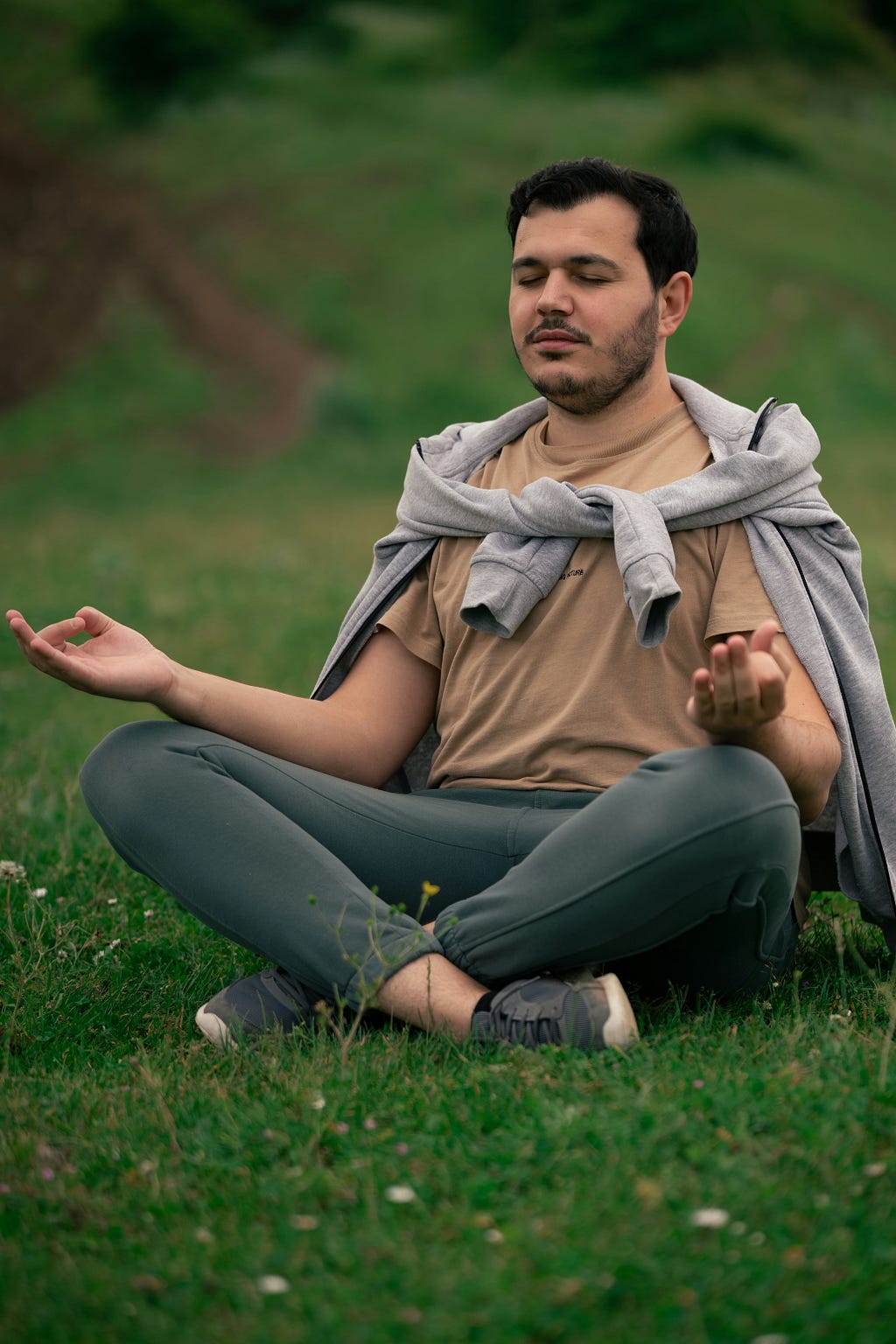
Here’s a simple breathing rhythm I teach often, try it. Inhale gently through the nose for 3 to 4 seconds. Exhale slowly through the nose for 5 to 6 seconds. Pause for 1 second before the next inhale. No force, no effort, just soft, quiet, nasal breathing.
Do this for just a minute or two, and notice how your body responds.
You spend your day thinking deeply and creating things the world depends on. But your body, your nervous system, and your breath need attention too.
You don’t need to be perfect. Just start noticing.
Check in with yourself throughout the day. Is my mouth closed? Am I breathing softly?
These small shifts are about well-being.
And sometimes, the most powerful reset isn’t a break from the screen, it’s a moment of quiet, intentional breath. Breathe in slowly, breathe out even slower. Let your body know, it’s safe. Your breath is not just keeping you alive, it’s here to help you feel alive.
It’s always just one moment away! If you’d like to explore email apnea or day-to-day breathing habits more deeply, feel free to reach out to me.

Enjoyed this? Read & clap on Medium ↗