
Sleep Mystified: From Ancient Beliefs to Modern Science.
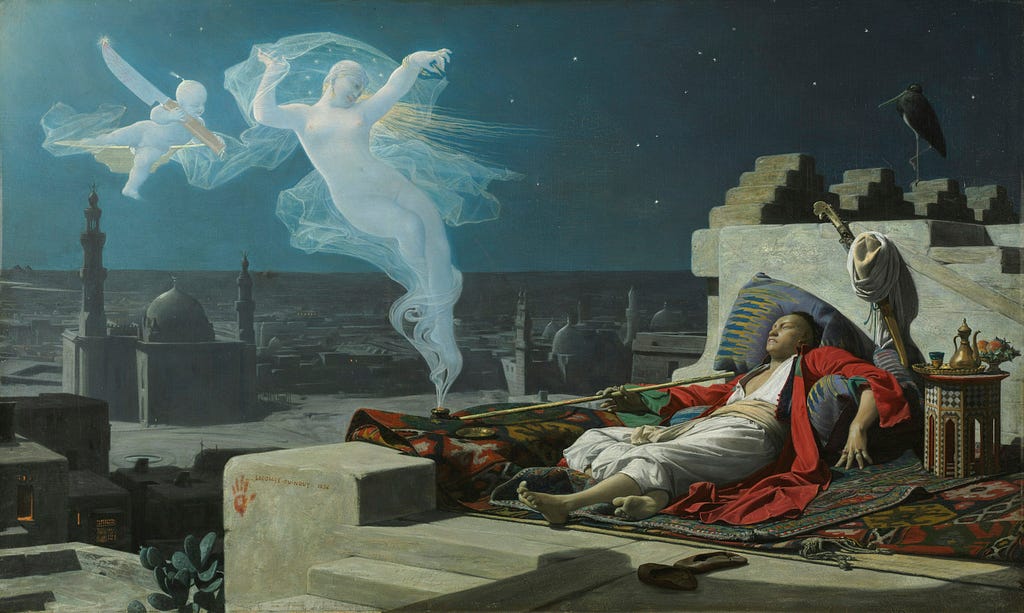
Long before science could measure brain waves or define REM cycles, sleep was wrapped in mystery, symbolism, and reverence.
In ancient Hypnos, sleep was personified as a gentle god who could soothe even the most powerful beings. His Roman counterpart, Somnus, lived in a dark cave where no sunlight or sound could disturb rest, a poetic early recognition of the environment’s role in sleep quality.
Ancient Egyptians believed dreams were messages from the divine, often recorded and interpreted by priests. In many cultures, sleep was not just biological, it was spiritual, a gateway between worlds. Even then, one truth was clear: sleep was essential, but deeply misunderstood.
Philosophers like Aristotle proposed that sleep occurred when digestion produced heat that rose to the brain, inducing rest. While inaccurate, it marked an early attempt to link body processes with sleep.
Centuries later, during the Renaissance and Enlightenment, thinkers began shifting toward anatomy and physiology. Sleep started to be viewed less as a mystical event and more as a bodily function, though still without clear mechanisms.
The real turning point came in the 20th century with the discovery of brain wave patterns using EEG.
Researchers identified distinct stages of sleep, including REM (rapid eye movement), where dreaming is most vivid. This led to the understanding that sleep is not a passive state but an active, dynamic process.
We began to understand:
Sleep cycles through stages.
The brain remains highly active during certain phases
Sleep plays a role in memory, emotional processing, and restoration
And yet, each answer opened new questions.
Modern science has brought us remarkably far. We now understand that sleep is regulated by circadian rhythms, our internal biological clock influenced by light, hormones like melatonin, and behavior.
We know that sleep:
Supports cognitive function and memory consolidation
Regulates mood and emotional resilience
Plays a critical role in metabolic and immune health
Is deeply connected to breathing, airway function, and nervous system regulation.

We still don’t have complete answers to questions like:
Why do we dream, and why do dreams feel so meaningful?
Why do some people thrive on less sleep while others struggle despite “enough”?
How exactly does sleep restore the brain and body at a cellular level?
Why are sleep disorders so complex and individualized?
Even with advanced imaging and data, sleep resists being fully explained.
Sleep exists at a unique intersection, measurable, yet deeply personal.
We can track oxygen levels, brain waves, and movement. But the experience of sleep, restorative vs. restless, deep vs. fragmented, still depends on subtle, interconnected systems:
Breath
Airway
Nervous system regulation
Habit and environment
This is where modern medicine is still catching up to what ancient cultures intuitively understood: sleep is not just a function, it’s a state of harmony.
While ancient cultures viewed sleep as a passage into another realm, modern science reveals something equally extraordinary: during sleep, the body becomes intensely active in restoration, regulation, and repair.
In the deeper stages of sleep, particularly slow-wave sleep, the body releases growth hormone, a critical driver of tissue repair, muscle recovery, and cellular regeneration. In children, this supports physical development; in adults, it maintains and restores the body at a foundational level.
At the same time, the brain undergoes a kind of nightly “cleansing.” Through what is now understood as the glymphatic system, metabolic waste products are cleared more efficiently during sleep than during wakefulness. This process is thought to play a role in long-term brain health and cognitive function.
Sleep is also when the nervous system recalibrates. The balance between sympathetic (“fight or flight”) and parasympathetic (“rest and restore”) activity shifts, allowing the body to downregulate stress and restore equilibrium.
And then there is REM sleep, a phase where the brain becomes highly active, almost mirroring wakefulness. This is where emotional processing, memory integration, and learning consolidation take place. Experiences from the day are not simply stored, they are reorganized, interpreted, and woven into existing neural networks.
In essence, while the body appears still, sleep is a period of profound internal movement.
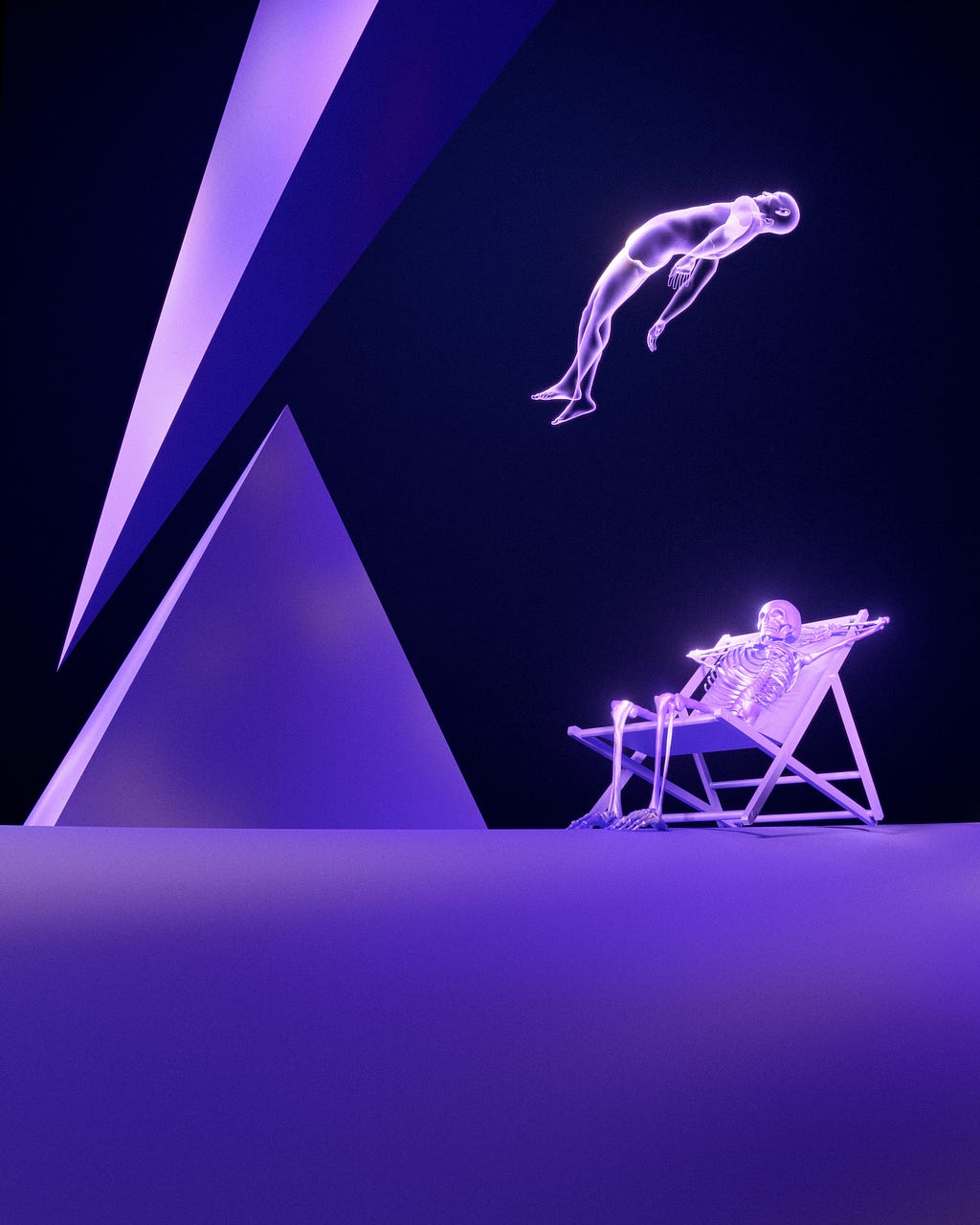
Long before brain imaging could visualize REM activity, Sigmund Freud offered a different kind of insight, one rooted not in physiology, but in meaning.
In his seminal work, The Interpretation of Dreams, Freud proposed that dreams are expressions of the unconscious mind. According to his theory, dreams allow suppressed thoughts, desires, and emotions to surface in symbolic form.
He distinguished between:
Manifest content — the dream as we remember it
Latent content — the hidden psychological meaning beneath it
While many of Freud’s ideas are debated or reinterpreted today, his contribution was pivotal: he shifted the conversation from what sleep is to what it might reveal.
Modern neuroscience does not fully support Freud’s framework, yet it does affirm that dreaming is deeply tied to emotional processing. Brain regions involved in memory and emotion, such as the amygdala and hippocampus, are highly active during REM sleep.
In this way, Freud’s intuition that dreams carry psychological significance may not have been entirely misplaced, only incomplete.
Sleep is, perhaps, one of the most elegant paradoxes in human biology.
It is a state in which:
The body rests, yet repairs
The mind disconnects, yet processes
Consciousness fades, yet inner activity intensifies
We now understand hormones, neural pathways, and physiological cycles with increasing precision. And yet, the subjective experience of sleep, the depth of rest, the texture of dreams, the variability from person to person, remains elusive. Sleep may no longer be governed by gods, but it has not lost its mystery. It has simply changed the language through which we try to understand it.
Enjoyed this? Read & clap on Medium ↗