
Before Retainers, There Were Muscles
How Function, Breathing, and Oral Muscles Shaped Orthodontics Long Before Social Media
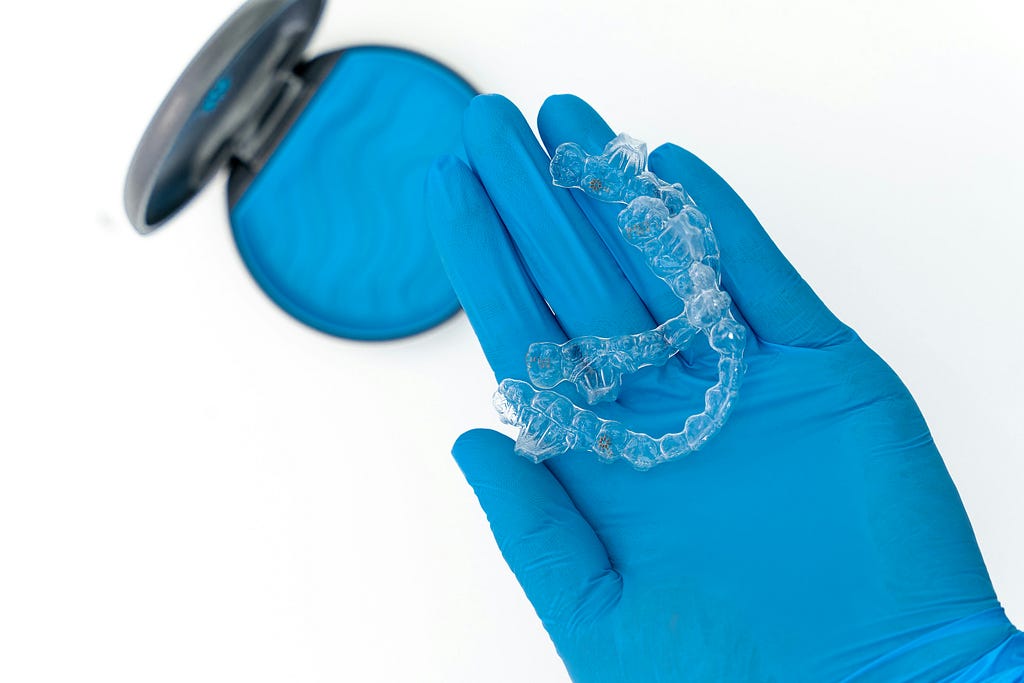
Myofunctional therapy is often presented as a new and trending topic. Spend a few minutes online and you will quickly find airway influencers, tongue posture tutorials, breathing hacks, mouth taping videos, and dramatic before-and-after transformations. Sometimes it almost feels as though the field appeared overnight through social media.
But myofunctional therapy is not new at all.
As someone who works with patients every day, I often find it interesting how many people believe these conversations about breathing, muscles, tongue posture, and facial development are modern discoveries. In reality, clinicians and researchers have been observing the relationship between oral function and craniofacial development for well over a century.
Long before TikTok, long before airway became a buzzword, physicians, dentists, and orthodontists were already asking important questions about the relationship between muscles, breathing, facial growth, and the position of the teeth. At its core, myofunctional therapy was never really about exercises alone. It was about function. More specifically, it was about understanding how the body adapts to the forces placed upon it every single day. One of the most important ideas in the history of myofunctional therapy is surprisingly simple: teeth do not exist in isolation. They exist within a living muscular environment. The tongue, lips, cheeks, swallowing patterns, breathing habits, posture, and airway continuously influence craniofacial development and dental stability. Orthodontic appliances may move teeth, but muscles help determine where they stay.
In many ways, muscles are the body’s natural retainers.
The philosophical foundation for these ideas began long before the term “myofunctional therapy” even existed. In the late nineteenth century, Wilhelm Roux explored the concept that biological structures adapt according to functional demands. Around the same time, Julius Wolff described how bone remodels in response to mechanical forces, a principle now widely known as Wolff’s Law. These concepts became foundational not only in orthopedics, but eventually in orthodontics and craniofacial development as well. Bone is living tissue. It responds to pressure, tension, and repeated function. While orthodontic appliances create intentional force, the body is also exposed to subtle muscular forces constantly throughout the day and night. The tongue rests somewhere. The lips rest somewhere. We swallow thousands of times daily. We breathe continuously. Over time, these patterns matter.
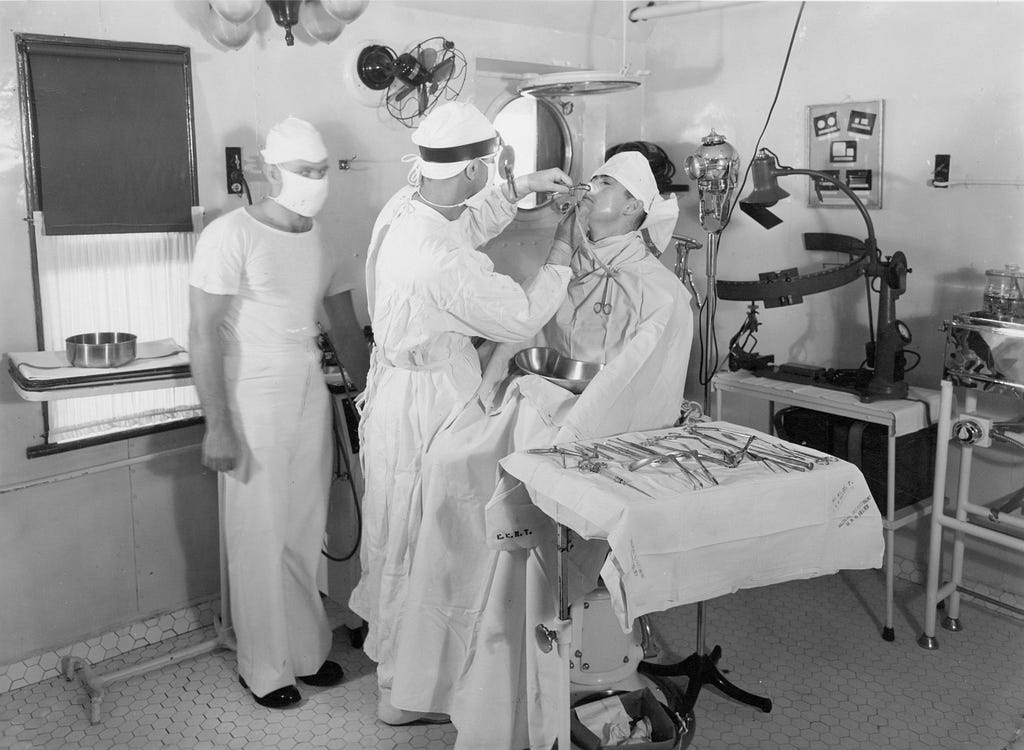
Early clinicians began noticing that function and facial growth could not be separated. Pierre Robin, best known for describing the condition later named Pierre Robin Sequence, recognized relationships between airway obstruction, tongue posture, mandibular development, and oral function. His work reflected an early understanding that craniofacial growth was influenced not only by genetics, but also by functional environment.
That idea continued resurfacing throughout the next century.
In 1907, Edward Angle discussed mouth breathing in Dental Cosmos, identifying it as a major contributor to malocclusion and altered facial development. I think this is particularly fascinating because airway-centered conversations are often treated as though they are brand new discoveries. In reality, clinicians were already observing the effects of chronic mouth breathing more than one hundred years ago. When nasal breathing is disrupted, the rest of the system adapts. Lips may remain apart. Tongue posture may lower. Muscular balance changes. Over time, growth patterns may change as well. The relationship between breathing and facial development was already beginning to emerge.
Eventually, the field developed its own language. Benno Lischer is credited with coining the term “myofunctional therapy,” reflecting growing recognition that oral musculature and functional habits influence both tooth position and orthodontic stability. But perhaps no one expressed this idea more beautifully than Alfred Paul Rogers, who famously referred to muscles as “life’s orthodontic appliances.” More than a century later, that statement still feels remarkably relevant. Rogers understood something clinicians continue to rediscover today: teeth exist in equilibrium. The tongue applies pressure from within, while the lips and cheeks apply pressure from outside. The body continuously adapts to these subtle forces. Orthodontics can reposition teeth mechanically, but long-term stability depends heavily on the functional environment surrounding them.
Perhaps this is one of the reasons relapse remains such a challenge in some cases. Retention may depend on more than retainers alone.
Throughout the twentieth century, clinicians continued exploring the relationship between oral habits, swallowing mechanics, muscle function, and dental stability. Daniel Garliner helped bring broader recognition to myofunctional therapy and interdisciplinary oral rehabilitation. Over time, the field expanded far beyond discussions of “tongue thrust” alone. Modern myofunctional therapy became increasingly connected to breathing, sleep, nasal function, craniofacial growth, temporomandibular disorders, and airway health.
The questions also became larger. What happens when a child breathes through the mouth during development? What happens when the tongue rests low for years? Can function influence not only teeth, but sleep quality, posture, and overall health?
What had once sounded theoretical was gradually becoming measurable.

In 2006, researcher Milo A. Puhan published a fascinating study involving didgeridoo playing and obstructive sleep apnea. The study demonstrated that targeted upper airway muscle training improved symptoms of sleep-disordered breathing in adults. Around the same time, researchers such as Katia C. Guimarães further explored the effects of oropharyngeal exercises on obstructive sleep apnea, demonstrating measurable improvements in airway-related outcomes through targeted muscular rehabilitation.
The conversation around myofunctional therapy was no longer limited to teeth alone. It was expanding into sleep medicine, breathing physiology, airway health, and neuromuscular rehabilitation.
Today, myofunctional therapy sits at the intersection of multiple disciplines, including orthodontics, airway dentistry, sleep medicine, ENT care, breathing re-education, craniofacial development, and neuromuscular rehabilitation. The field continues to evolve, and there is still much we are learning.
But I think understanding the history matters. Not because older ideas are automatically correct, but because it reminds us that the relationship between structure and function has been observed for generations. Many of today’s conversations are not entirely new discoveries. In many ways, they are continuations of questions clinicians have been asking for decades. How we breathe matters. How we swallow matters. How the tongue rests matters. The body adapts to function over time.
Muscles influence growth, breathing, posture, swallowing, and even the position of the teeth over time. Orthodontic appliances can guide and redirect structure, but the functional environment surrounding the teeth matters just as much. It raises an interesting question. If oral muscles develop and function optimally from the beginning, how much orthodontic intervention might become unnecessary in the first place?
Enjoyed this? Read & clap on Medium ↗