
Can Adults Really Change? What Neuroplasticity Teaches Us About Learning Later in Life.
We are never finished becoming who we can be
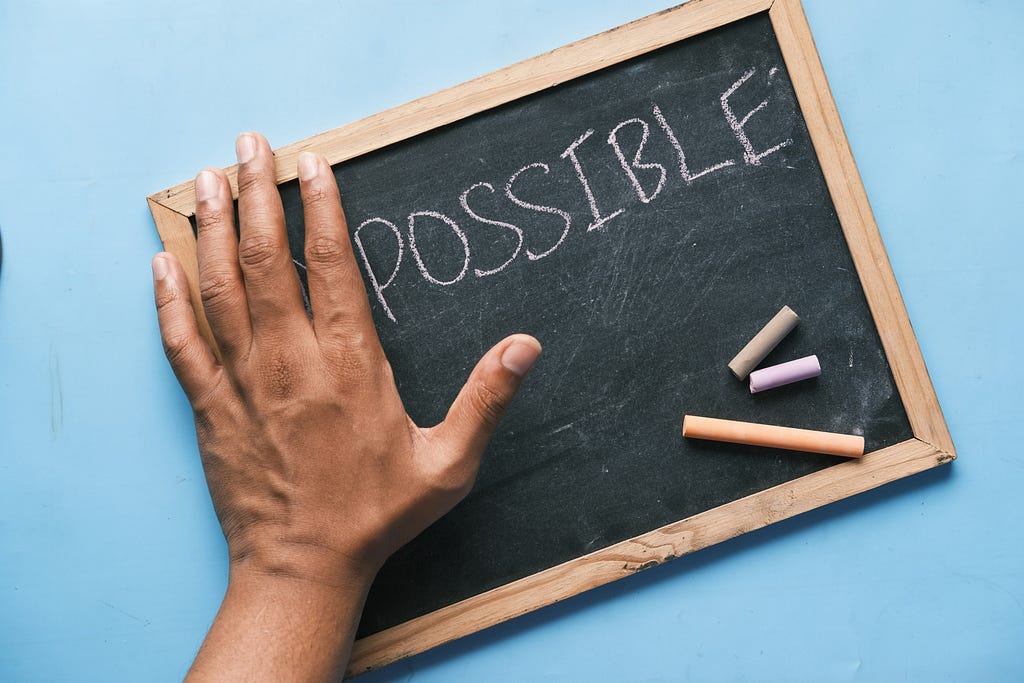
When people think about learning, they often think about children. Children learn languages quickly. They adapt easily. Their brains are developing at an incredible pace, and because of that, they’re often viewed as the ideal candidates for learning new skills.
Adults, on the other hand, are sometimes seen differently. Many believe that by a certain age our habits are fixed, our brains have stopped changing, and meaningful improvement becomes less likely. For many years, science seemed to support that belief. Today, we know otherwise. One of the most exciting discoveries in modern neuroscience is that the human brain remains capable of learning throughout life. This remarkable ability is called neuroplasticity, the brain’s lifelong capacity to adapt, reorganize, and strengthen its neural connections in response to experience and practice. To me, neuroplasticity is one of the most hopeful concepts in science. It reminds us that while change may become more challenging with time, it never becomes impossible.
Why I Chose to Work Primarily With Adults?
People occasionally ask why I chose to focus much of my practice on adults. The answer is simple. Because I believe adults deserve hope, too. Many of my patients have spent decades breathing the same way, carrying tension in the same muscles, or relying on movement patterns their nervous system has repeated thousands of times. Those patterns didn’t develop overnight. And they don’t change overnight either. Working with adults requires patience, from both the clinician and the patient. But I’ve learned something remarkable. Adults are incredibly committed. When they decide to invest in themselves, they bring curiosity, determination, and life experience to the process. They ask thoughtful questions. They celebrate small victories. They understand that meaningful change takes time. Watching that process unfold is one of the greatest privileges of my work.
When people first hear about myofunctional therapy, they often imagine a series of exercises designed to strengthen the tongue or lips. Strength certainly plays a role. But that isn’t the whole story. What fascinates me is that much of what we do relies on learning. As an airway-focused myofunctional therapist, I help patients develop healthier breathing and oral function. Every time a patient practices nasal breathing, improves tongue resting posture, develops a better lip seal, or learns a new pattern of muscle coordination, something much bigger is happening than simply exercising muscles. The nervous system is learning. Every repetition provides the brain with another opportunity to build and strengthen new neural pathways. That is neuroplasticity in action.

People are often hard on themselves when change doesn’t happen quickly. “I know what I’m supposed to do, but I keep going back to my old habits.” The truth is, your brain isn’t working against you. It’s doing exactly what it was designed to do. Our brains are incredibly efficient. When we’ve repeated the same movement or behavior for years, those neural pathways become well established. The brain naturally prefers what is familiar because familiar requires less effort. Changing a habit doesn’t mean erasing the old pathway. It means creating a new one. And that takes repetition.
Recently, I came across a brilliant idea from James Clear that stayed with me. He wrote that results come after skill, skill comes after practice, and practice begins with the willingness to try. That perfectly describes what I see every day.
Before there are results…
There is practice.
Before there is confidence…
There is repetition.
Before a new habit becomes automatic…
There is simply someone willing to begin.
One of the ways I help patients make practice easier is by connecting new habits to existing ones. Most of us don’t forget to brush our teeth. We don’t need motivation because it has become part of our daily routine. So instead of asking patients to remember an entirely new schedule, I often encourage them to practice immediately after brushing their teeth, while making their morning coffee, or before their evening skincare routine. Behavioral scientists call this habit stacking. I think of it as making success easier. The goal isn’t perfection. The goal is consistency. Because consistency is what allows the brain to learn.
We live in a world that celebrates dramatic before-and-after stories. The brain doesn’t usually learn that way. It learns through small, repeated moments. One breath. One exercise. One moment of awareness.
Repeated often enough, those small moments begin to change the way the brain organizes movement. That’s why I often remind my patients that five minutes every day is usually far more valuable than one hour once a week. Learning happens through repetition, not intensity.
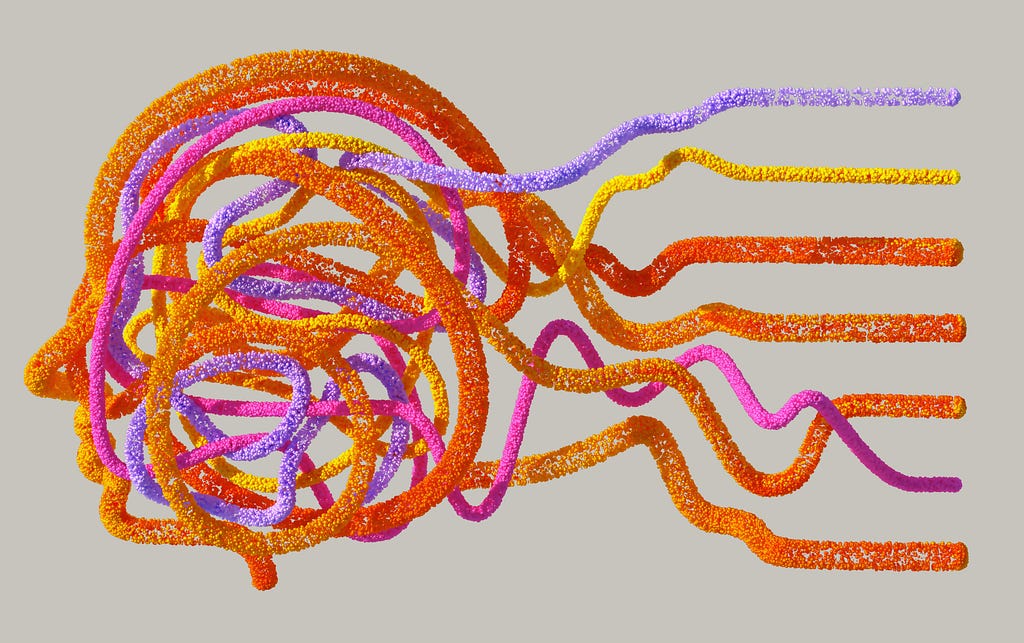
My fascination with neuroplasticity eventually led me to pursue certification in neuroscience coaching. The more I learned, the more I realized that neuroscience isn’t just about understanding the brain. It’s about understanding people. Why we develop habits. Why change feels difficult. Why consistency matters. Why meaningful change remains possible throughout life. That knowledge has strengthened the way I approach my work as a clinician. It has also made me even more optimistic about what adults are capable of achieving.
If there’s one thing my patients have taught me, it’s that meaningful change begins with a decision. The decision to learn. The decision to practice. The decision to believe that old habits don’t have to define the future. Not every day is easy. Not every exercise feels natural. Progress isn’t always linear. But every repetition is a step forward. Every practice session is another opportunity for the brain to learn. I never take that commitment for granted.
One of the reasons I love my work is that it constantly reminds me how adaptable people really are. My role isn’t to force change, my role is to create the conditions in which learning can occur. I educate, guide, encourage, and provide the tools, but it is my patients who do the remarkable work of showing up, practicing, and allowing their brains and bodies to learn together. That partnership is where change begins.
Neuroplasticity doesn’t promise that change will be easy. It doesn’t guarantee the same outcome for every person. What it does offer is something deeply encouraging. It reminds us that the adult brain remains capable of learning, it reminds us that healthy habits can be built one repetition at a time. And it reminds us that our past does not have to determine our future. Every day, I have the privilege of working with adults who choose to invest in themselves. They choose to learn something new and they choose patience over perfection. They choose to keep practicing, even when progress feels slow. To me, that’s what myofunctional therapy is really about. Not simply changing muscles. Helping people discover that meaningful change is possible, one repetition at a time.
This article is intended for educational purposes and reflects current understanding of neuroplasticity and motor learning. Myofunctional therapy is individualized, and outcomes vary depending on each person’s health history, anatomy, diagnosis, and commitment to therapy.
Enjoyed this? Read & clap on Medium ↗